
Honda and Toyota owners in West Point, VA, know their vehicles are built to last, but even the most reliable cars develop predictable problems over time. The most common Japanese car repair issues include oil consumption, timing belt wear, transmission fluid breakdown, suspension fatigue, and cooling system failures. At Eltham Auto Clinic, we’ve built our reputation on honest, reliable service since 1994, and Japanese vehicles are a big part of what we see every day.
In this guide, we’ll walk you through each of these concerns, what causes them, how to spot the warning signs, and what our team does to fix them right the first time.
Why Japanese Cars Still Need Regular Attention
Japanese vehicles are engineered for durability, but durability depends on upkeep. Over time, fluids degrade, rubber components dry out, belts stretch, and metal surfaces wear against each other. The longer these conditions go unaddressed, the more they compound. What starts as low brake fluid or a slightly worn strut can quietly become a safety concern or a much larger repair. Regular attention, especially after the factory warranty expires, is what keeps a well-built car living up to its reputation.
Most Common Japanese Auto Repair Issues We See
1. Oil Consumption and Leaks
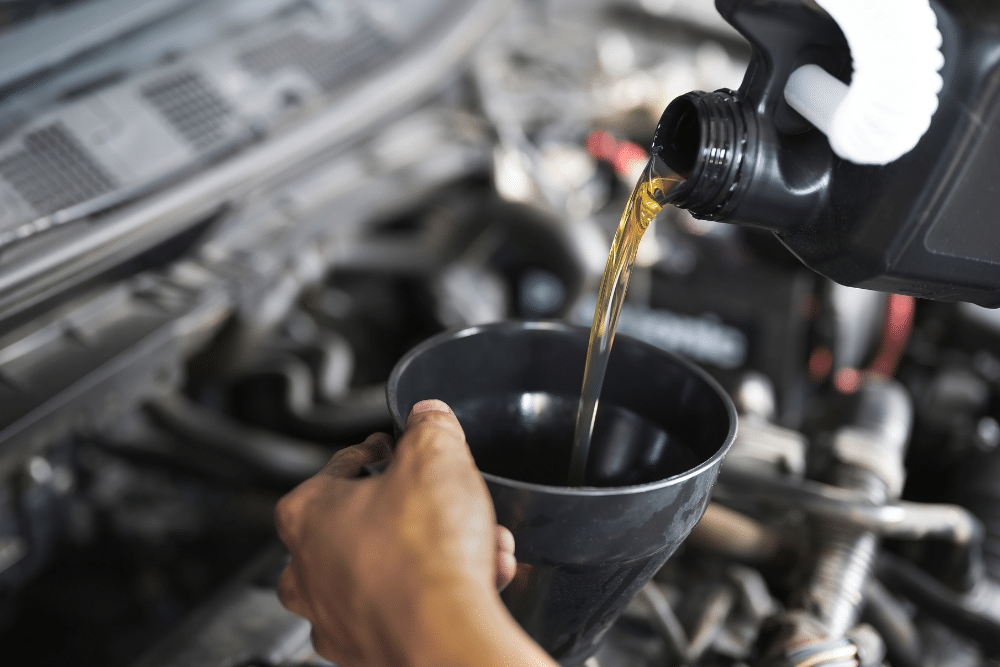
Honda and Toyota engines are known for their durability, but certain models are prone to burning oil between changes or developing slow leaks from valve cover gaskets and oil pan seals.
Watch for these warning signs:
- A burning smell while driving
- Blue-tinted exhaust smoke
- A low oil level warning between services
Our technicians will perform a thorough inspection to trace the source of the leak or consumption issue. We use synthetic oil and quality replacement gaskets to restore proper sealing and protect your engine long-term. Catching this early prevents much more expensive engine repairs down the road.
2. Timing Belt and Timing Chain Wear
Many Japanese vehicles, particularly older Hondas and Toyotas, use a timing belt that requires replacement on a schedule, typically every 60,000 to 100,000 miles, depending on the model. Skipping this service is one of the costliest mistakes a car owner can make because a snapped timing belt can cause catastrophic engine damage instantly.
Newer models have shifted toward timing chains, which are designed to last the life of the engine, but they can still stretch and develop noise or slack over high mileage. We’ll evaluate your vehicle’s specific service schedule and let you know exactly where you stand so you’re never caught off guard.
3. Transmission Problems
Automatic transmission issues in Japanese vehicles often show up gradually. Honda CVTs (continuously variable transmissions) and Toyota automatic units can develop fluid degradation over time, especially when fluid changes are skipped.
Common symptoms to watch for:
- A slight hesitation when shifting
- Rough gear changes
- The transmission slipping under acceleration
We handle transmission fluid services and can look into shift quality concerns before a minor issue turns into a full replacement. Staying current on transmission maintenance is one of the simplest ways to protect one of your car’s most expensive components.
Suspension and Steering Concerns on Japanese Vehicles
Worn Struts and Shocks
Toyota Camrys, Honda Accords, and similar daily drivers put a lot of miles on their suspension over time. Worn struts and shocks lead to a bouncy ride, poor handling in corners, and increased stopping distances. If your car feels like it’s floating or rocking after bumps, the suspension deserves a close look.
Our shop uses the Hunter HawkEye Elite alignment system to ensure your suspension geometry is dialed in after any strut or control arm replacement. Proper alignment protects your new parts and your tires from uneven wear.
Power Steering Issues
Older Japanese vehicles with hydraulic power steering can develop leaks in the rack or pump over time. Newer models use electric power steering, which can throw warning lights or develop a heavy steering feel when sensors or motor assemblies start to fail. Both issues affect your ability to control your vehicle safely, especially at highway speeds on your commute.
We diagnose both hydraulic and electric systems and give you a clear explanation of what’s needed before any work begins.
Ready to get ahead of a suspension or steering issue? Schedule your service now with Eltham Auto Clinic at 18430 Eltham Rd, West Point, VA 23181, or call us at 804-843-4090.
Cooling System Wear on Honda and Toyota Vehicles
Japanese cars are not immune to cooling system failures, and overheating is one of the fastest ways to cause serious engine damage. Radiator hoses, water pumps, and thermostats all have service lives, and Toyota and Honda vehicles are no exception.
Water Pump Failure
On many Japanese engines, the water pump is driven by the timing belt, meaning both should be replaced at the same time. A failing water pump can cause coolant leaks, overheating, or a grinding noise from the front of the engine. Replacing both together saves labor costs and prevents a second teardown just miles later.
Coolant Degradation
Honda and Toyota both recommend specific coolant formulations for their engines. Using the wrong coolant or skipping fluid exchanges can lead to corrosion buildup inside the cooling system. We use factory-compatible fluids and offer BG Products cooling system services to keep your system clean and protected.
Brake System Wear on Japanese Vehicles
Brakes on Japanese cars generally perform well, but the same wear patterns apply as with any vehicle. Brake pads wear down, rotors develop grooves or warping, and brake fluid absorbs moisture over time, reducing its boiling point and effectiveness.
Brake Fluid Degradation
This is one of the most overlooked services on any vehicle. Moisture in your brake fluid reduces stopping power, especially under hard braking. We include brake fluid condition as part of our multi-point inspection process and recommend fluid exchanges based on condition and mileage.
Our shop backs most repairs with a 2-year/24,000-mile parts and labor warranty, which means you can drive with confidence after every brake service we perform.
Japanese Auto Repair You Can Count On in West Point, VA
When it comes to Japanese auto repair in West Point, VA, choosing the right shop makes all the difference. Eltham Auto Clinic has been serving the West Point community since 1994, building a reputation for honest, high-quality service with integrity and expertise.
Our family-owned shop prioritizes relationships over transactions, treating every customer with the care and respect they deserve. Here’s what sets us apart:
- ASE-certified technicians on our team: Our technicians bring hands-on expertise in Japanese makes, so your Honda or Toyota is always in qualified hands.
- Five licensed Virginia State inspectors on staff: We make it easy to stay compliant and road-safe without visiting a separate facility.
- NAPA-affiliated shop: We have access to quality parts and resources that help us deliver reliable repairs on Japanese vehicles of all makes.
- BG Products for enhanced fluid maintenance: We use trusted BG fluid services to protect your engine and drivetrain long-term.
- Yokohama tire distributor: From tire sales to installation, we handle your complete tire needs under one roof.
- 2-year/24,000-mile parts and labor warranty: Most repairs are backed by our warranty, so you can drive with confidence after every visit.
- Family-owned and serving the community since 1994: We’re not just your mechanic, we’re your neighbors, and we’re invested in keeping West Point drivers safely on the road.
Frequently Asked Questions About Japanese Auto Repair
How often should Japanese cars be serviced in West Point, VA?
Most Japanese vehicles follow a 5,000 to 10,000-mile oil change interval, depending on whether synthetic or conventional oil is used. Following the manufacturer’s recommended maintenance schedule is the most effective way to keep your vehicle reliable long-term.
Are Japanese cars cheaper to repair than American cars?
Japanese cars like Honda and Toyota are generally affordable to maintain due to widely available parts and straightforward engineering. Labor costs depend on the complexity of the repair, but routine maintenance on these vehicles tends to be cost-effective compared to European makes.
What are the most reliable Japanese car brands?
Toyota and Honda are consistently ranked among the most reliable brands by consumer studies and long-term ownership data. Mazda and Subaru also score well in reliability, though Subarus can develop specific issues like head gasket problems on older models that are worth monitoring.
Do Japanese cars need special oil or fluids?
Yes, many Japanese manufacturers specify particular oil viscosities and coolant formulations for their engines. Using the correct fluid type helps prevent corrosion and premature wear. Always follow the specifications listed in your owner’s manual or consult a qualified technician for guidance.
Schedule Your Japanese Car Repair in West Point, VA Today!
Whether you drive a Honda, Toyota, or any other Japanese make, Eltham Auto Clinic has the experience and tools to keep your vehicle running reliably. Don’t wait until a small issue becomes a costly repair. Schedule your Japanese auto repair service today with our trusted team. Visit us at Eltham Auto Clinic, 18430 Eltham Rd, West Point, VA 23181, or call us at 804-843-4090. We look forward to helping you stay safe on the road.