Summer in West Point, VA, brings long commutes, country road trips, and heat that can push your vehicle harder than you might expect. At Eltham Auto Clinic, we see a predictable wave of preventable breakdowns every summer: overheated engines, worn tires, and A/C systems that give out right when drivers need them most.
Smart summer car care means catching small problems before they strand you on Route 33 or somewhere between here and Richmond. This guide walks you through the most important things to check before the heat peaks so your vehicle stays reliable all season long.
Why Summer Heat Is Harder on Your Vehicle Than You Think
Virginia summers are no joke. Temperatures regularly climb into the 90s, and your vehicle absorbs that heat at every level, from the pavement below to the engine under the hood. Heat accelerates wear on rubber components, puts extra demand on your cooling system, and degrades fluids faster than cooler months.
For daily commuters traveling the corridor between West Point and Richmond, that adds up quickly. A 40-mile round trip in 95-degree heat is a very different load on your vehicle than the same drive in October. Understanding what heat actually does to your car helps you make smarter maintenance decisions.
How Heat Affects Your Engine and Fluids
Your engine generates combustion heat on its own, and summer ambient heat compounds that load on your cooling system. Coolant that hasn’t been serviced in a while loses its protective properties, and an aging thermostat may not regulate temperature as accurately as it should.
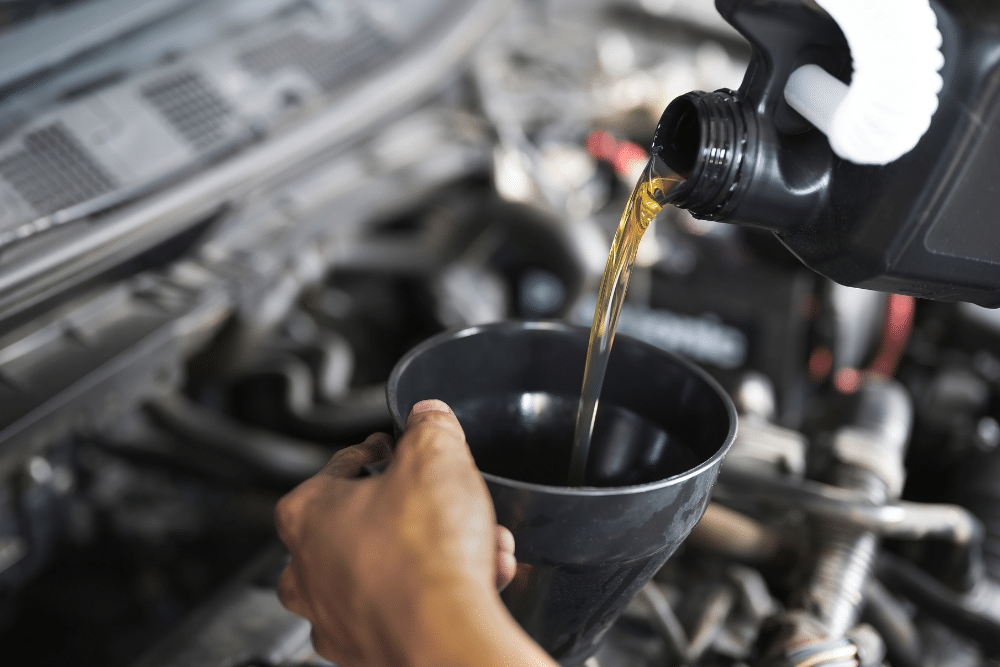
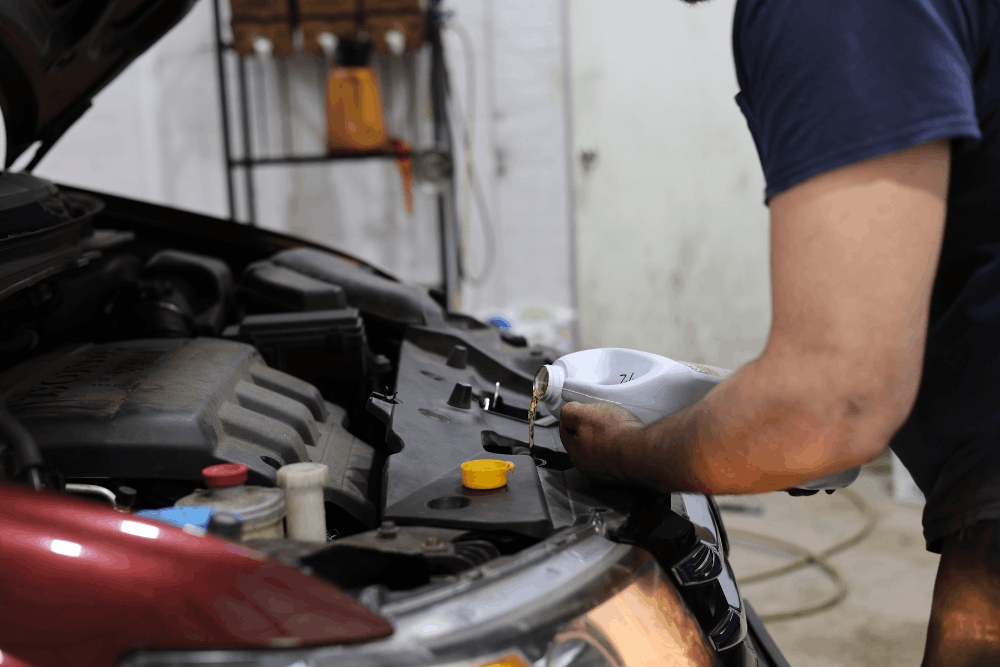
Engine oil also thins out faster in extreme heat if it’s not the right viscosity for summer driving. We recommend synthetic oil for most vehicles because it handles temperature extremes better than conventional options and maintains its protective film longer between changes.
Rubber and Plastic Components Take a Hit in West Point Summers
Belts, hoses, and seals are made to flex and seal under normal temperatures. Prolonged summer heat can cause micro-cracking in serpentine belts, dry rot in coolant hoses, and seal degradation throughout the engine bay. These aren’t always visible to the naked eye, which is why a thorough inspection matters more in late spring than any other time of year.
Your Summer Car Care Checklist for West Point Drivers
Getting your vehicle ready for summer doesn’t require a full overhaul. It requires checking the right things at the right time. Here’s where to focus your attention before the heat arrives.
Cooling System Service
Your cooling system is your vehicle’s primary defense against overheating. Coolant should be checked for concentration level, pH balance, and contamination. Old coolant breaks down over time and loses its ability to protect the system from corrosion and boiling.
If you haven’t had your cooling system serviced in a few years, summer is the right time to address it. We use BG Products for fluid services, which means you’re getting a professional-grade product designed to protect your system well beyond the service interval.
A/C Inspection and Refrigerant Check
A/C system problems tend to reveal themselves right when you need the system most. If your A/C is blowing lukewarm air, cycling on and off inconsistently, or making unusual noises, it’s worth a proper inspection before a simple refrigerant issue turns into a compressor replacement.
A/C systems can lose refrigerant slowly through normal use, and small leaks may go unnoticed until the system stops cooling effectively. A full A/C inspection checks the compressor, condenser, evaporator, refrigerant level, and all associated components so you’re not guessing.
Tire Condition and Pressure for Summer Roads
Heat increases tire pressure. For every 10-degree rise in ambient temperature, your tire pressure increases by about 1 PSI. That means a tire that was at the correct pressure on a cool morning can be over-inflated by afternoon, increasing your risk of uneven wear and blowout.
Tread depth matters too. If your tires are below 4/32″ of tread, wet roads during summer storms become a real hazard. As a Yokohama Tire distributor, we carry a full selection of tires and can help you find the right fit for your vehicle and driving habits.
Brake Inspection Before Summer Travel in West Point
Brakes tend to get overlooked until something sounds wrong. Summer is a good time to get a visual check of your pad thickness, rotor condition, and brake fluid level. Brake fluid is hygroscopic, meaning it absorbs moisture over time, which lowers its boiling point and can cause fade under hard braking.
If you’re planning any long drives this summer, a brake inspection before you go is a straightforward step that protects you and your passengers.
Don't Overlook These Under-the-Hood Items
The checklist above covers the major systems, but a few under-the-hood items often get skipped until they cause a problem on the road.
- Battery: Heat is actually harder on batteries than cold. Summer heat accelerates internal corrosion and fluid evaporation inside the battery. If your battery is more than three years old, have it tested before summer peaks.
- Serpentine Belt: A worn or glazed belt will eventually slip or break, taking your alternator, power steering pump, and water pump with it. Visual inspection isn’t always enough; a tension and wear check catches issues before failure.
- Air Filter: A clogged air filter reduces engine efficiency and can trigger rough idle or reduced fuel economy. Summer driving with a dirty filter works your engine harder than necessary.
- Wiper Blades: Virginia summer storms can come out of nowhere. Streaking or chattering wipers don’t just reduce visibility. They’re dangerous. If your blades aren’t clearing cleanly, stop by and we’ll get them sorted before the storms roll in.
Visit us at Eltham Auto Clinic, 18430 Eltham Rd, West Point, VA 23181, or call us at 804-843-4090 to schedule your summer car care appointment.
Why Drivers in West Point Trust Eltham Auto Clinic for Seasonal Maintenance
We’ve built this shop on one principle: relationships matter more than transactions. That’s been true since the doors first opened in 1994, and it’s still the foundation of everything we do at Eltham Auto Clinic today.
- ASE-Certified Technicians: Our team includes ASE-certified technicians, meaning your vehicle is in the hands of professionals who have met the industry’s highest standards for knowledge and skill.
- 2-Year/24,000-Mile Warranty: We back most repairs with a 2-year, 24,000-mile parts and labor warranty because we stand behind the work we do.
- BG Products Fluid Services: We use BG Products for fluid maintenance, a professional-grade solution that protects your vehicle beyond the basics.
- Yokohama Tire Distributor: As a certified Yokohama Tire distributor, we carry quality tires and can match you with the right set for your driving style and vehicle.
- Shuttle Service and After-Hours Drop-Off: We know your time matters. Our shuttle service and after-hours drop-off options make it easy to get your car in without disrupting your day.
- Family-Owned Since 1994: We’ve earned the trust of this community over three decades by doing honest work and treating every customer like a neighbor, because most of the time, you are.
FAQs About Summer Car Care in West Point, VA
How often should I check my tire pressure in summer?
Tire pressure should be checked at least once a month during summer, and always when tires are cold before driving. Heat causes pressure to rise, so checking after a drive will give you an inaccurate reading. If your tires are losing pressure frequently or showing uneven wear, bring your vehicle in so we can inspect them.
What are the signs my car's cooling system needs service?
Signs include the temperature gauge running higher than normal, coolant that looks brown or rusty rather than green or orange, a sweet smell from the engine bay, or visible leaks under the vehicle. Any of these warrants an inspection before summer heat peaks.
How do I know if my car's A/C needs a recharge?
If your A/C is blowing air that is cool but not cold, takes longer to cool down the cabin than it used to, or cycles on and off frequently, low refrigerant is a likely cause. A professional A/C inspection can confirm the issue and check for leaks at the same time.
Is it safe to drive with a cracked serpentine belt?
No. A cracked or frayed serpentine belt is at risk of breaking without warning, which will immediately disable your alternator, water pump, and power steering. If you notice cracking, squealing, or fraying, have the belt replaced before the next drive.
Schedule Your Summer Car Care at Eltham Auto Clinic in West Point, VA Today!
Summer driving should be stress-free. Whether you’re commuting daily toward Richmond, taking the family on a weekend trip, or just keeping up with the maintenance your vehicle needs, our team is here to make sure your car is ready for everything the season brings.
We’ve been a trusted part of the West Point community for over 30 years, and we’re proud to serve the families and commuters who keep this area moving. Reach out to Eltham Auto Clinic at 18430 Eltham Rd, West Point, VA 23181, or call us at 804-843-4090 to book your summer car maintenance visit. You can also visit us during our morning walk-in window for quick services like oil changes and Virginia state inspections. No appointment needed.